
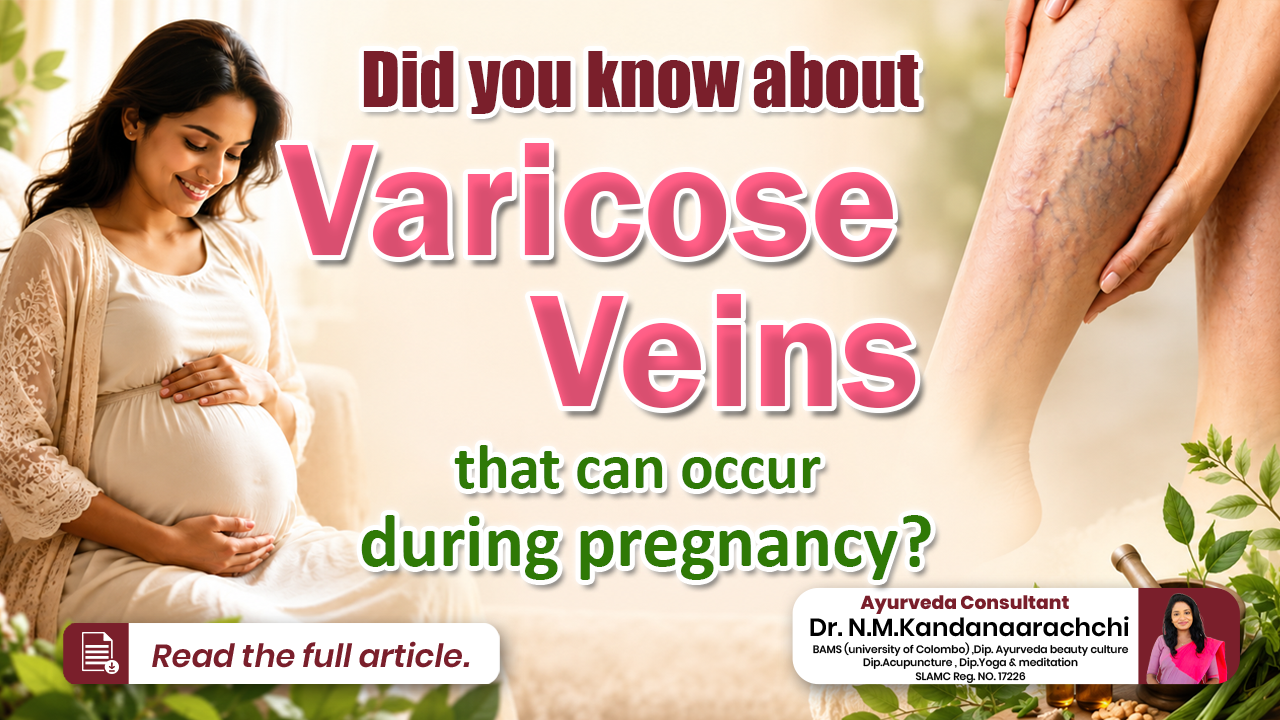
MOTHERHOOD & HEALTH 🤰
The Beautiful Journey of Pregnancy
& Managing Varicose Veins
Pregnancy is one of the most beautiful 😍 and miraculous experiences in a mother's life. The joy of a new life forming inside your womb is truly beyond words. However, amidst this beauty, the physical changes in the body can also bring about unexpected minor discomforts. 😢
If you suddenly look at your legs and notice that the veins look blue, swollen, or twisted, there is no need to panic. 😰 Experiencing Varicose Veins during pregnancy is a very common condition. It can cause a feeling of heaviness, pressure, and aching in the legs.
🤔 Why Do Varicose Veins Occur During Pregnancy?
This condition is caused by a few remarkable scientific changes happening inside the body. Normally, the veins in our legs pump blood back up toward the heart using tiny valves that prevent backward flow. However, during pregnancy, if these valves weaken, blood begins to pool.
1. Hormonal Changes
The body secretes high amounts of Progesterone. While it relaxes the uterus for the baby, it also relaxes blood vessel walls, making them stretch easily.
2. Increased Blood Volume
To provide proper nutrition to the baby, the mother's total blood volume increases by about 50%, putting significantly higher pressure on the blood vessels.
3. Uterine Pressure
As the baby grows, the weight of the uterus presses directly on the Inferior Vena Cava (the main vein), slowing down blood circulation in the legs.
[Diagram / Image: A cross-section showing the growing uterus applying pressure on the Inferior Vena Cava in the pelvic region]
Note: A genetic predisposition or a family history of varicose veins can also increase the likelihood of developing this condition.
✅ Managing Varicose Veins During Pregnancy
While we cannot stop hormonal shifts, you can reduce the pressure on your legs with a few simple habits:
- Elevate Your Legs: Whenever you rest, prop your legs up on a few pillows so they are slightly above heart level. This helps the blood flow back up easily.
- Sleep on Your Left Side: Sleeping on your left side prevents the weight of the uterus from pressing directly onto the main blood vessel.
- Avoid Prolonged Sitting or Standing: Do not sit or stand in one position for too long. Avoid crossing your legs while sitting, as this blocks proper blood circulation.
- Gentle Exercise: Simple activities like an evening walk or rotating your ankles in circles activate the leg muscles, helping pump blood back upward.
- Use Compression Stockings: Wearing specialized pregnancy Compression Stockings in the morning—ideally before getting out of bed—can significantly reduce leg swelling.
🌿 Postpartum Relief Through Ayurvedic Care
For many mothers, varicose veins naturally fade away a few months after delivery. However, you can accelerate this healing process through Suthika Paricharya 🍀 (traditional postpartum Ayurvedic care).
The Ayurvedic Perspective: "Sira Granthi"
In Ayurveda, varicose veins are known as "Sira Granthi." This condition occurs when the Vata Dosha (the energy that controls movement) becomes aggravated, vitiating the blood (Rakta Dhatu). After childbirth, the sudden emptiness created inside the abdomen causes a significant rise in Vata. Treatments focus on calming this aggravated Vata, restoring elasticity, and normalizing blood circulation.
[Diagram / Image: Illustration of gentle Abhyanga massage strokes moving upwards from the ankle towards the heart]
Key Ayurvedic Treatments:
- Abhyanga: Gently massaging the entire body with lukewarm medicinal oils, specifically stroking the legs from bottom to top (toward the heart).
- Parisheka: A process where warm medicinal decoctions (kasaya) or infused milk are continuously poured over the legs to effectively relieve pain and heaviness.
- Suthika Udvarthana: Applying specialized herbal pastes to the legs helps strengthen the skin and the veins.
⚠️ Important Safety Measures
If you had a Normal Delivery, you can start these treatments relatively early. However, if you delivered via a Caesarean Section (C-Section), you must avoid deep or firm massaging on the abdomen and legs until the wound has fully healed (typically 4 to 6 weeks).
Crucial Advice: Never massage or press hard directly on top of knotted, varicose veins. Always seek the guidance of a qualified Ayurvedic physician to ensure that the oils and medications used are 100% safe for both you and your breastfeeding baby.
Written by:
Dr. N. M. Kadanarachchi
COMMENTS (1)
Arguernbell
Jul 10, 2026На нашем портале удастся найти много нужной сведений. На этой платформе содержатся обзоры и рекомендации для любого интерес. Читатель в состоянии изучить как общую информацию, также узкопрофильные материалы. Наш источник может оказаться полезным профессионалам в различной практике. https://ipcfms.ru/read/121-samye-kultovye-modeli-krossovok-dolceandgabbana-za-poslednie-10-let.html Также на сайте часто выкладываются интересные обновления. Предлагаем внимательно прочитать размещённую здесь подборку. Таким образом, эта платформа служит отличным местом сведений.